
Discover a better way to connect talent and care

Medical staffing solutions for
government programs &
healthcare facilities

Government-program ready credentialing and compliance

Mission-aligned
providers

End-to-end documentation


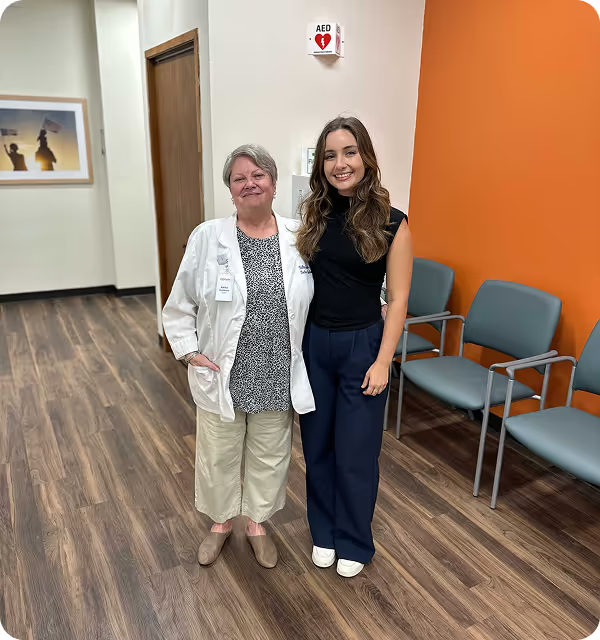
Facilities we staff

How we find the right providers for your facility
Understand your coverage needs
Source and vet qualified providers
Manage credentialing and onboarding
Schedule, support & monitor performance
Better medical staffing solutions for hospitals and healthcare facilities
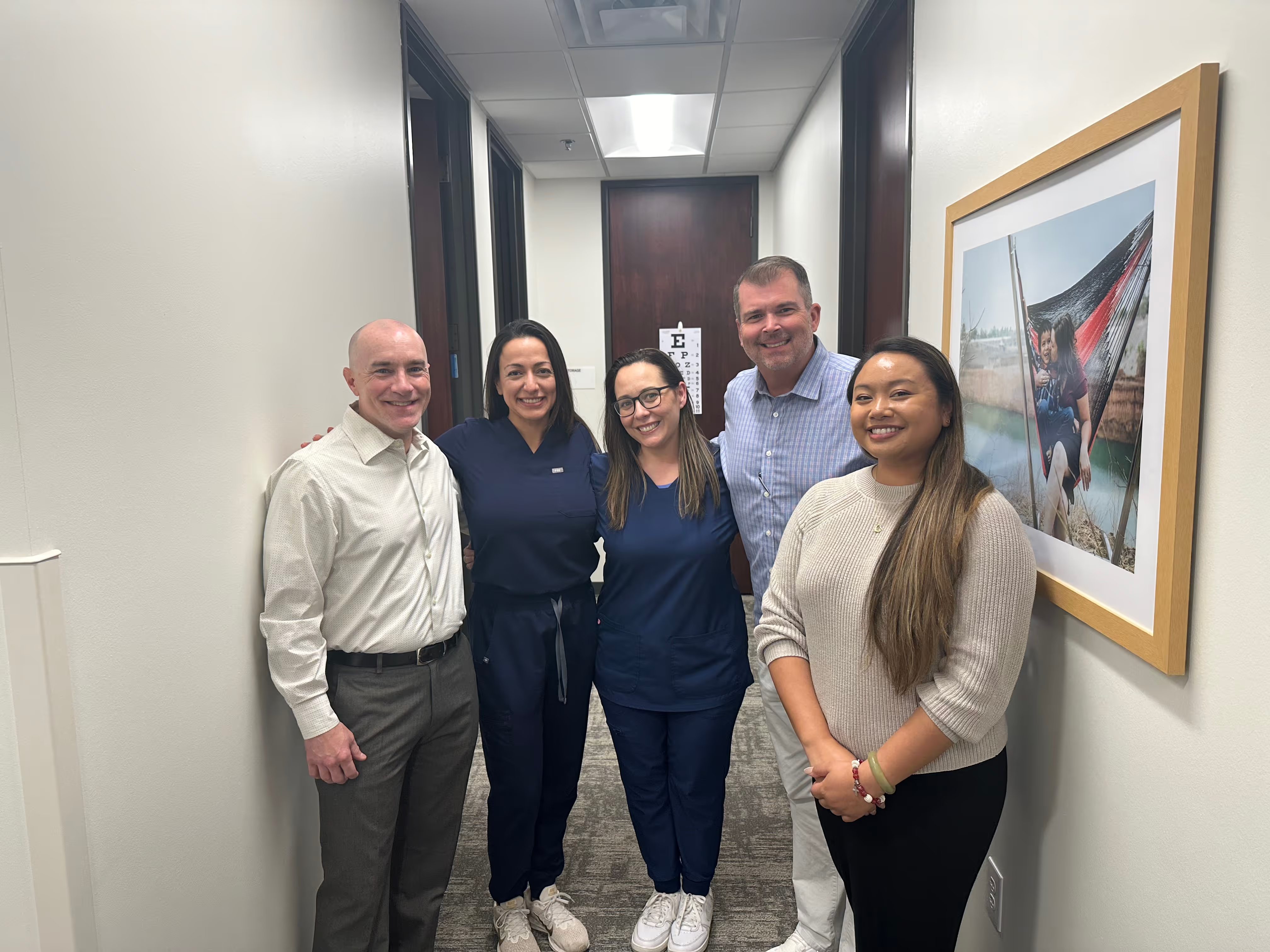
Need coverage for your facility?
aligned with your culture and standards of care.




"I know that I can reach out to them and within a short period of time, have a placement available. I know that they’re somebody I can rely on, I know they’re somebody I can trust. I would highly recommend using Frontera for staffing needs."

"From hosting fantastic networking events for healthcare executives to meeting our physical therapy staffing needs, Frontera Search Partners’ professional team has added value to our company at every turn. Their honest and ethical approach to business is matched only by the friendly way they conduct it."

"From day one, Frontera felt like a true partner. They listen, they follow through, and they always put people first. You can feel the trust they’ve built into their culture."
FAQs on how modern medical staffing solutions support hospitals and government healthcare programs
What are medical staffing solutions for healthcare facilities?
Medical staffing solutions help healthcare facilities maintain consistent patient coverage by providing qualified clinicians when internal teams need additional support. Facilities typically use staffing solutions to address coverage gaps, manage fluctuating patient demand, support service expansion, and maintain operational continuity without overburdening existing teams.
What types of healthcare facilities use medical staffing solutions?
Hospitals, community health centers, outpatient clinics, urgent care centers, physician groups, and government healthcare programs commonly use medical staffing solutions. These organizations rely on staffing partners to maintain coverage, support growth, and ensure consistent patient access across locations.
Will using medical staffing disrupt existing teams or workflows?
Medical staffing solutions are designed to support existing teams rather than replace them. Facilities often use staffing partners to stabilize coverage, reduce workload on internal staff, and maintain operational consistency. When implemented effectively, staffing solutions help improve continuity and reduce disruptions.
How quickly can medical staffing solutions fill coverage gaps?
Coverage timelines vary based on specialty, location, and urgency. Some coverage needs can be addressed within days, while others may require additional planning. Facilities often prioritize staffing partners with active provider networks and structured coordination processes to minimize delays and maintain consistent coverage.
What should healthcare facilities look for in a medical staffing partner?
Facilities typically evaluate responsiveness, communication, provider quality, and consistency of coverage. A strong staffing partner focuses on long-term workforce stability, operational coordination, and reliable support to help facilities maintain patient access and reduce operational strain.
How does Frontera support healthcare facilities with medical staffing?
Frontera works closely with healthcare facilities to understand coverage needs, coordinate provider schedules, and maintain consistent communication. This structured approach helps facilities reduce coverage gaps, stabilize operations, and maintain continuity of care.