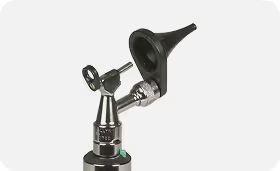
Locum tenens anesthesiologist staffing
Frontera helps hospitals, health systems, and ambulatory surgery centers secure qualified anesthesiologists for temporary coverage, staffing shortages, and long-term recruitment gaps. Our recruiting team understands the operational impact of anesthesia vacancies and works quickly to help facilities maintain OR schedules and patient access.
Why facilities partner with Frontera

Minimize OR disruptions
Anesthesia vacancies can reduce operating room capacity, delay procedures, and impact revenue. We help facilities secure qualified coverage to maintain surgical schedules.

Access to specialized anesthesia talent
Our recruiting network includes both general anesthesiologists and physicians with specialized anesthesia experience.

Credentialing coordination
We help facilitate credentialing, documentation collection, and onboarding activities to reduce delays.

Flexible coverage models
Whether you need short-term locum support, ongoing coverage, or assistance during a permanent search, we provide staffing solutions tailored to your needs.
Anesthesiologist versus CRNA coverage: Which model fits your facility?
Facilities often evaluate both anesthesiologist and CRNA coverage when addressing staffing shortages. The appropriate solution depends on patient acuity, facility structure, case complexity, supervision requirements, and state regulations.
Anesthesiologist-led coverage
Anesthesiologists are physicians who provide comprehensive perioperative care, manage complex anesthesia cases, and oversee high-acuity patients. Facilities performing cardiac surgery, pediatric procedures, neurosurgery, complex obstetrics, or other advanced surgical services often require anesthesiologist-led coverage due to the clinical demands involved.
Anesthesiologists may also supervise anesthesia care teams consisting of CRNAs and other anesthesia professionals, depending on the facility's care model.
CRNA coverage
Certified Registered Nurse Anesthetists provide anesthesia services across a wide range of surgical and procedural settings. In many facilities, CRNAs work independently or as part of a physician-led anesthesia care team, depending on state regulations and organizational policies.
CRNA coverage may be appropriate for facilities with lower-acuity procedural volumes, ambulatory surgery centers, or organizations seeking additional anesthesia support while maintaining existing physician oversight structures.

Anesthesia sub-specialties Frontera covers
Sub-specialty anesthesia recruiting typically involves a smaller candidate pool and longer search timelines than general anesthesia staffing. Facilities requiring highly specialized anesthesia expertise often face greater competition for qualified clinicians, making proactive recruitment especially important.
Our Anesthesia Staffing Process
How we find the right anesthesia providers
Anesthesia staffing solutions should support both patient care and operational continuity. Frontera provides a dedicated point of contact who manages recruiting, credentialing coordination, onboarding, and placement support.
01
Understand your coverage requirements
We assess your facility's case mix, surgical volume, staffing structure, and timeline.
02
Source and vet qualified providers
Our recruiters identify anesthesiologists who meet your clinical, scheduling, and credentialing requirements.
03
Manage credentialing and onboarding
We coordinate documentation requirements and support provider onboarding activities.
04
Maintain coverage and support
We remain engaged throughout the assignment to help ensure continuity and assignment success.

5.0/5

March 7, 2024
"I worked for a competitor of Frontera for several years and found them largely indifferent to clinicians’ needs. Frontera is different. They listen, respond quickly, and work to find solutions that benefit everyone involved."
5.0/5
August 13, 2025
"The work environment is supportive, and I value the high level of autonomy I have in the clinic. Management is always available when needed yet trusts us to do our jobs without micromanaging."
5.0/5
August 11, 2025
“I've worked with Frontera for 9 years now. I travel a lot with this company, which I enjoy. The hours are flexible, and I have found management to be supportive, fair, and trustworthy. I know they are always in my corner."
5.0/5
March 7, 2025
"Frontera works well with medical providers and are consistent with communications and scheduling. I have worked for Frontera for several years now and I have had consistent dependable work with good benefits."
5.0/5
August 5, 2025
"I have worked with Frontera for the last three years. They have been very helpful in supporting me and advocating on my behalf…very accessible and a company I would recommend."
5.0/5
January 17, 2026
"I appreciated that my recruiter at Frontera recognized that I cared about the veterans that I worked with…he was a good liaison that supported me. An agency with recruiters that develops good relationships with their employees is essential. I feel like Frontera has solid ethics toward their contractors, and I would definitely work for them again."
Frequently asked questions about locum tenens anesthesiologist staffing
What staffing challenges are most common when recruiting anesthesiologists?
Many hospitals and surgery centers face challenges related to physician shortages, growing surgical demand, retirement trends, and competition for experienced anesthesia providers. These factors can make it difficult to maintain consistent operating room coverage without supplemental staffing support.
How long does it take to credential a locum tenens anesthesiologist?
Credentialing timelines vary by facility, specialty requirements, and provider documentation. While some facilities can move providers through credentialing relatively quickly, others may require several weeks or longer to complete all verification and onboarding steps.
Can a locum CRNA replace a locum anesthesiologist for OR coverage?
The answer depends on facility requirements, patient acuity, surgical complexity, state regulations, and the facility's anesthesia care model. Some facilities may utilize CRNA coverage for certain cases, while others require physician anesthesiologists to provide or supervise anesthesia services.
How do we maintain OR throughput during an anesthesiologist vacancy?
Many facilities use temporary anesthesia staffing solutions to avoid procedure delays, operating room downtime, and scheduling disruptions while permanent recruitment efforts continue. The appropriate strategy depends on surgical volume, staffing structure, and available provider resources.
Does a locum anesthesiologist need a separate DEA registration for each state?
DEA registration requirements depend on the provider's practice location and assignment responsibilities. Providers practicing in multiple states may need to satisfy state-specific licensing and registration requirements before beginning clinical duties.
What types of facilities use locum tenens anesthesiologists?
Hospitals, health systems, ambulatory surgery centers, specialty surgical facilities, and academic medical centers frequently use locum tenens anesthesiologists to address staffing shortages, support growth, manage provider leave, or maintain coverage during recruitment efforts.
Job categories
Explore roles that
match your specialty
Find openings tailored to your training, experience, and preferred work environment.
We connect clinicians with opportunities that fit their schedule, skill set, and long-term goals.
We connect clinicians with opportunities that fit their schedule, skill set, and long-term goals.